

Wire wrapping is a fantastic craft, but it does come with its challenges.
If you’re just starting out, or if you’ve been wrapping for a while, there are common obstacles that can slow you down or even make you feel frustrated.
Common Wire Wrapping Challenges
In this article, I’ll cover some of the most frequent obstacles and provide solutions based on what I’ve learned, as well as helpful videos from experts.
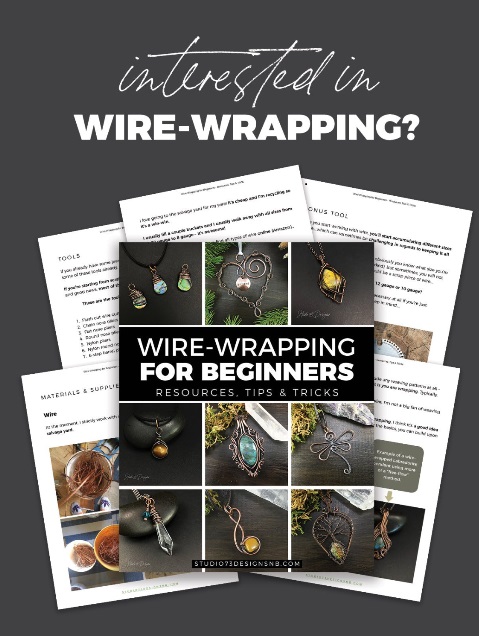
FREE WIRE-WRAPPING GUIDE TO YOUR EMAIL!
JOIN NEWSLETTER
We respect your privacy. Unsubscribe at anytime.
1. Choosing the Wrong Wire Gauge
Choosing the correct wire gauge is one of the most important decisions in wire wrapping.
The thickness of the wire impacts both the design and the durability of your jewelry.

- Thicker wires (16-20 gauge) are great for making structural pieces like frames or clasps.
- Medium wires (22-24 gauge) are versatile and suitable for wrapping beads or stones.
- Thinner wires (26-28 gauge) are perfect for delicate weaving or creating small loops.
Getting this right can make or break a design, as wires that are too thick will be hard to manipulate, while wires that are too thin may break under pressure.
Watch this video by Heather Boyd Wire for tips on choosing the right wire gauge:
2. Using the Incorrect Wire Type
Choosing the wrong wire type can impact both the durability and appearance of your designs. Different metals and hardness levels serve different purposes.
Copper is affordable and easy to manipulate but tarnishes over time. Silver is more durable but can be harder to work with.
Gold-filled wire offers the beauty of gold at a lower cost, but it’s stiffer.

Additionally, choosing the correct wire hardness is essential:
- Dead soft wire is easy to shape.
- Half-hard wire retains its shape better.
- Full-hard wire is ideal for coils and other structural components.
To get a deeper understanding of the types of wire, check out this video by PotomacBeads:
3. Wire Tarnishing

Tarnishing occurs when metals like copper or silver react with air, moisture, or chemicals, leading to discoloration.
To prevent tarnishing, use anti-tarnish wire and protective coatings like jewelry varnish.
Additionally, storing your jewelry in airtight containers and keeping it dry can help preserve its shine.
For a detailed guide on preventing tarnish, check out my article on how to prevent tarnish on wire jewelry: Prevent Tarnish on Wire Jewelry
4. Breaking or Snapping Wire
Wire breakage can be frustrating, but it’s often avoidable.
Thin wires (26-28 gauge) are more prone to snapping, especially when subjected to excessive pressure or repeated bending.
To prevent breakage, handle wire gently and use thicker wire for structural pieces. Additionally, using half-hard or full-hard wire for making coils can reduce the risk of snapping.
In the video by Oksana Trukhan, she talks about the wire breaks suddenly when Wire Weaving.
5. Difficulty in Wrapping Small or Delicate Stones
Wrapping small or delicate stones can be challenging due to the risk of damaging them during the wrapping process.
To avoid this, use a sturdy frame to hold the stone in place, and choose a finer gauge wire (24-26 gauge) to wrap around the stone without putting too much pressure on it.
In Karisma & Talisman ‘s video, he discuss techniques for wrapping delicate stones:
6. Not Able to Finish Weaving Wire Ends Neatly
One of the finishing touches that make your wire wrapping projects look professional is how neatly you secure the ends.
To avoid sharp or unsightly ends, use round-nose pliers to tuck the wire into your design and smooth it out with a needle file. This will prevent any rough edges from catching on clothing.
Door 44 Studios also explains how to finish your wire ends neatly in her video:
OxanaCrafts also explain how to hide the wire ends effectively:
7. Difficulty in Making Uniform Coils or Spirals
Making uniform coils or spirals is an essential skill in wire wrapping, but it can be tricky to master.
To create perfect coils, use a coil jig to ensure evenness, or use round-nose pliers with consistent pressure.
Practice is key to getting it right, but the more you practice, the better your spirals will look.
For tips on how to create uniform coils, watch this video below:
8. Wire Ends That Catch on Clothing
One common problem with wire wrapping is that wire ends can catch on clothing or skin, causing discomfort or ruining your designs.
To avoid this, be sure to carefully smooth and secure the wire ends using needle nose pliers.
A good method is to tuck the ends into the design and use a metal file to round off any sharp points.
Watch this video by Kimberlie Kohler for additional tips on smoothing and securing wire ends:
9. Difficulty Wrapping Complex Shapes
Wrapping irregular shapes like rough stones or unusual objects can be challenging. To tackle this, focus on creating a solid base frame and then work your way around the object.
Use creative techniques like weaving or coiling to secure the stone without putting too much pressure on it.
In Djinns Treasure’s video, they offer a great demonstration of how to wrap irregular stones.
10. Lack of Essential Items
Having the right tools and supplies can make or break your wire wrapping projects. Some essential tools include round-nose pliers, wire cutters, needle files, and a wire jig.
Without these, the process can become frustrating and time-consuming.

For a detailed list of essential items you need in your workspace, check out my article on essential items for a wire wrapping workspace: Essential Items for a Wire Wrapping Workspace
11. Problem While Adding Texture to Wire Jewelry

Adding texture to wire jewelry can elevate its design, but it can be tricky to get the texture right.
Whether you’re using a hammer, texture plates, or rolling mills, practice is key. Be sure to use a controlled approach and apply even pressure to avoid damaging the wire.
I’ve also shared some techniques in my article about methods of adding texture to wire jewelry.
12. Too Much Wire Waste
Wire waste is a common issue, especially when cutting and measuring wire for complex designs.
One way to reduce waste is to plan your designs carefully, and measure the wire accurately before cutting.
You can also reuse scrap pieces of wire in smaller projects, like rings or earrings.

For tips on how to manage wire waste, check out my article on managing wire waste: Ideas to Manage Wire Waste
13. Messy Wire Storage
Storing your wire properly is essential for keeping your workspace organized and your wire tangle-free.
Use wire spools or storage bins to keep wire organized by type and gauge.
This will save you time and effort when searching for the right wire for your projects.

I’ve discussed ways to store wire efficiently in my article on how to store wire for wire wrapping projects: Ideas on How to Store Wire for Wire Wrapping Projects
14. Run Out of Ideas for Naming Wire-Wrapping Jewelry Collection
Coming up with creative names for your wire wrapping collections can be tough, but it’s an important part of marketing your work.
Think about the theme, colors, and the emotions your jewelry evokes. Names that capture the essence of your work will help attract buyers.

For inspiration on naming your collection, check out my article on how to name your collection.
15. Non-Productive Day in Wire Wrapping
It’s natural to have days when things just don’t go right. On those days, it’s important to take a step back and reset.
Try changing up your workspace, or even taking a short break to recharge.
Creative work often requires patience and flexibility, so don’t be too hard on yourself when things aren’t flowing.

If you ever have a non-productive day, check out my article on how to stay motivated: What to Do on a Non-Productive Day for Wire Wrapping
16. Lack of Great Sources to Learn Wire Wrapping

Finding the right resources to learn wire wrapping can make all the difference in your success.
Whether it’s through YouTube tutorials, online courses, or books, there are many sources available for both beginners and advanced wire wrappers.
I’ve compiled a list of great resources in my article: Sources to Learn Wire Wrapping
17. Not Sure Where to Get Beautiful Stones
The right stones can take your wire wrapping creations to the next level. Whether you’re looking for gemstones, crystals, or vintage beads, there are many sources online and in-person.

Be sure to select stones that complement your wire and design style. For a list of great places to find beautiful stones, check out my article on where to buy them.
Conclusion
Wire wrapping presents both challenges and rewards. By understanding and addressing the common difficulties faced by wire crafters, you can improve your techniques and create beautiful, lasting designs.
Remember, with practice and patience, these challenges will become stepping stones to mastery. Happy wrapping!
